Water Damage Restoration & Mitigation in Hendersonville
In short: 180 Degree Floors handles water damage in Hendersonville in one sequence: stop the source, extract the water, dry with commercial air movers and dehumidifiers, test for hidden moisture, then rebuild the floor. We are an IICRC Certified Firm (#70262351) and have served Middle Tennessee since November 2008. Free estimate: (615) 788-1379.
At a glance
- Services — Water extraction, structural drying, moisture testing, dehumidification, flooring removal and replacement after water damage
- Who we serve — Homes, hotels, schools, retail spaces
- Service area — Hendersonville and Middle Tennessee
- Credential — IICRC Certified Firm #70262351
- In business since — November 2008
- Estimate — Free — call (615) 788-1379
Water damage work we've done in Hendersonville
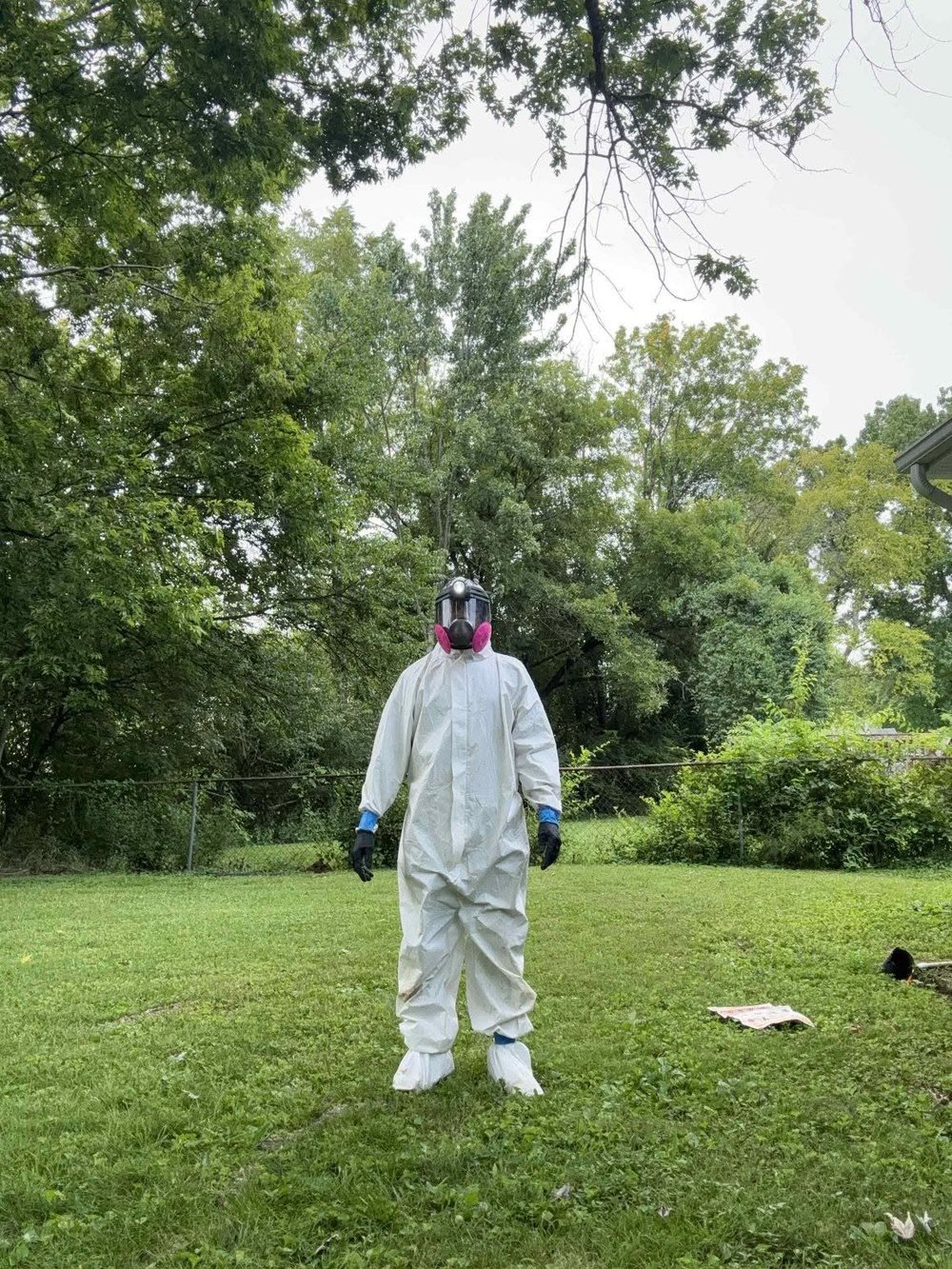
In August 2026, we dried a Hendersonville home from the crawlspace up. Moisture had spread inside the home and beneath it in the crawlspace. We used thermal imaging and moisture meters to find the affected areas, set containment, placed commercial drying equipment, and kept monitoring until readings confirmed the structure was drying toward the dry standard. We don't guess. We measure, document, and verify.
We also handle water damage restoration in Nashville.
What should I do first after a flood or burst pipe?
Stop the water if you can do so safely, then call a plumber to fix the source before drying begins. Our process starts with extraction, not new flooring, so the source is controlled first. Call (615) 788-1379.
What does water damage restoration actually include?
- Water Extraction — Removal of standing water after a leak, burst pipe, or flood, before drying begins.
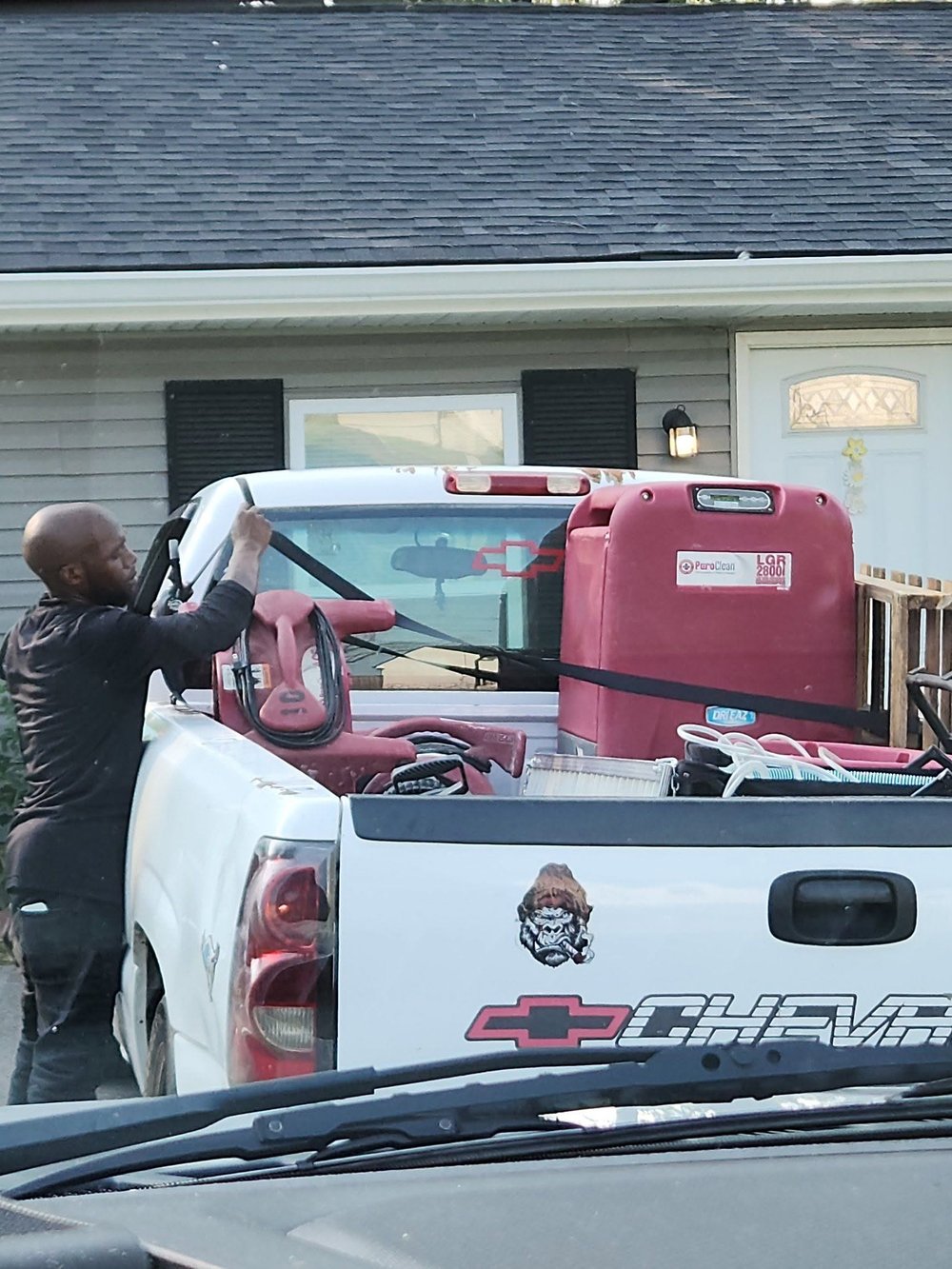
- Structural Drying — Commercial air movers and dehumidifiers to dry floors, walls, and subfloors.
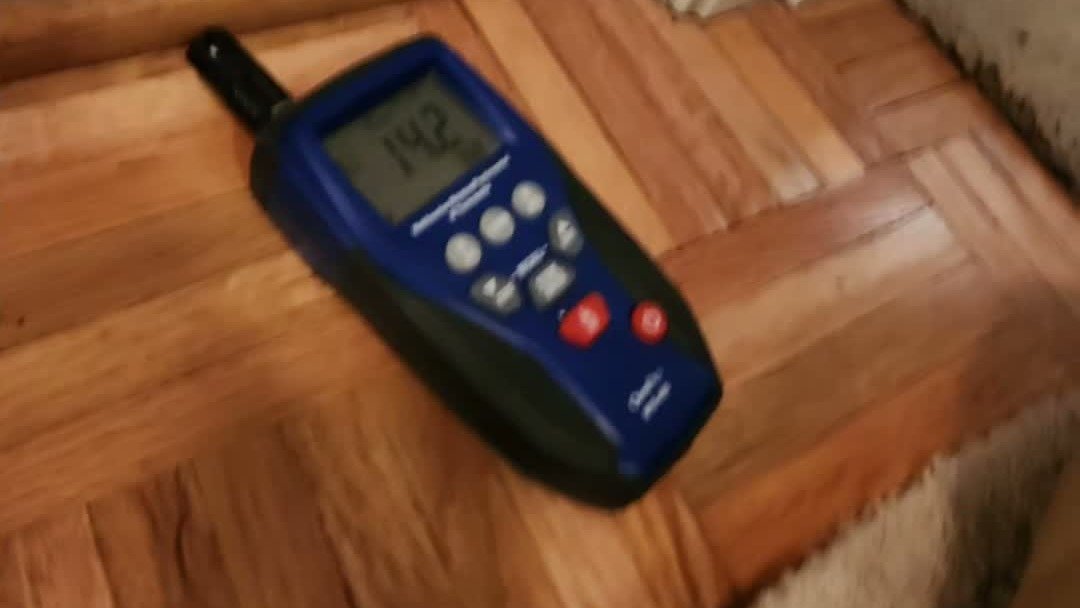
- Moisture Testing / Hidden-Moisture Check — Pin and pinless meter readings in wood, drywall, and subfloors, so hidden moisture is found before new floors go in.
- Dehumidification — Dehumidifiers to bring indoor humidity and materials back down during drying.
- Flooring Removal After Water Damage — Removal of wet, damaged flooring and underlayment ahead of rebuild.
- Flooring Replacement After Water Damage — LVP, hardwood, tile, and carpet installed to rebuild floors after drying is complete.
- Water Damage Assessment — An on-site look at wet areas, what is damaged, and what drying and rebuild work is needed, with a free estimate.
How does a water mitigation and rebuild job work, step by step?
- Stop the source. If you safely can, stop the water. Call a plumber to fix the source.
- Extract. Standing water is removed first.
- Dry. Air movers and dehumidifiers are placed based on a moisture map of what is actually wet, including adjoining rooms.
- Test. We take repeated moisture readings across floors, walls, and subfloors. Drying is finished when readings show materials are dry — not just when the surface feels dry.
- Remove what cannot be restored. Damaged material is documented and removed.
- Rebuild. LVP, hardwood, tile, or carpet is installed to finish the floor.
Honest answers — what we will and will not promise
- Drying time: There is no honest one-size answer. It depends on how much water there was, what got wet, and how long it stayed wet.
- Saving wet hardwood: Sometimes it can be saved, sometimes it cannot. It depends on the wood, time wet, and cupping or buckling. We test first and tell you honestly.
- Insurance: We document drying and flooring work, including moisture readings and what was removed, dried, and replaced, for your records. Coverage and payment decisions are your insurer's, not ours.
Free estimate
Call (615) 788-1379. Tell us where the water came from, how long it has been wet, and which rooms and flooring types are affected, if you know them — that helps us plan the assessment.